
Integrative Pediatric Bodywork for Babies & Children

Myofascial Release & Craniosacral Therapy
As a pediatric occupational therapist with advanced training in integrative pediatric bodywork, Dr. Quiara specializes in supporting babies and children through Myofascial Release (MFR) and Craniosacral Therapy—two profoundly gentle, neurologically informed therapies that work together to support your child’s comfort, function, and development from the very beginning of life.
This integrative approach addresses the whole child: their structure, nervous system, movement patterns, and innate capacity to heal.
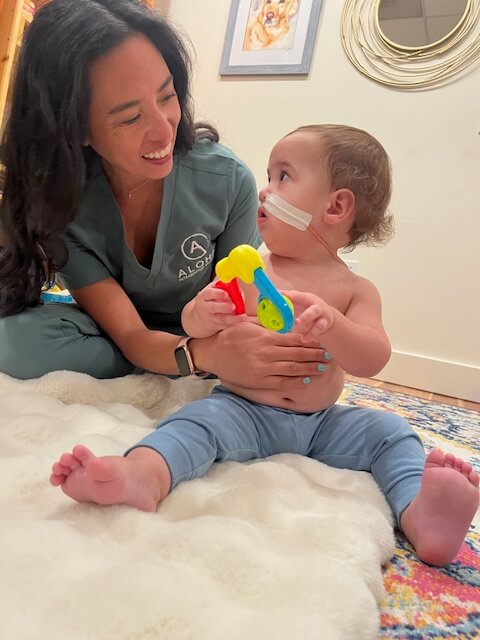
Why Integrative Pediatric Bodywork?
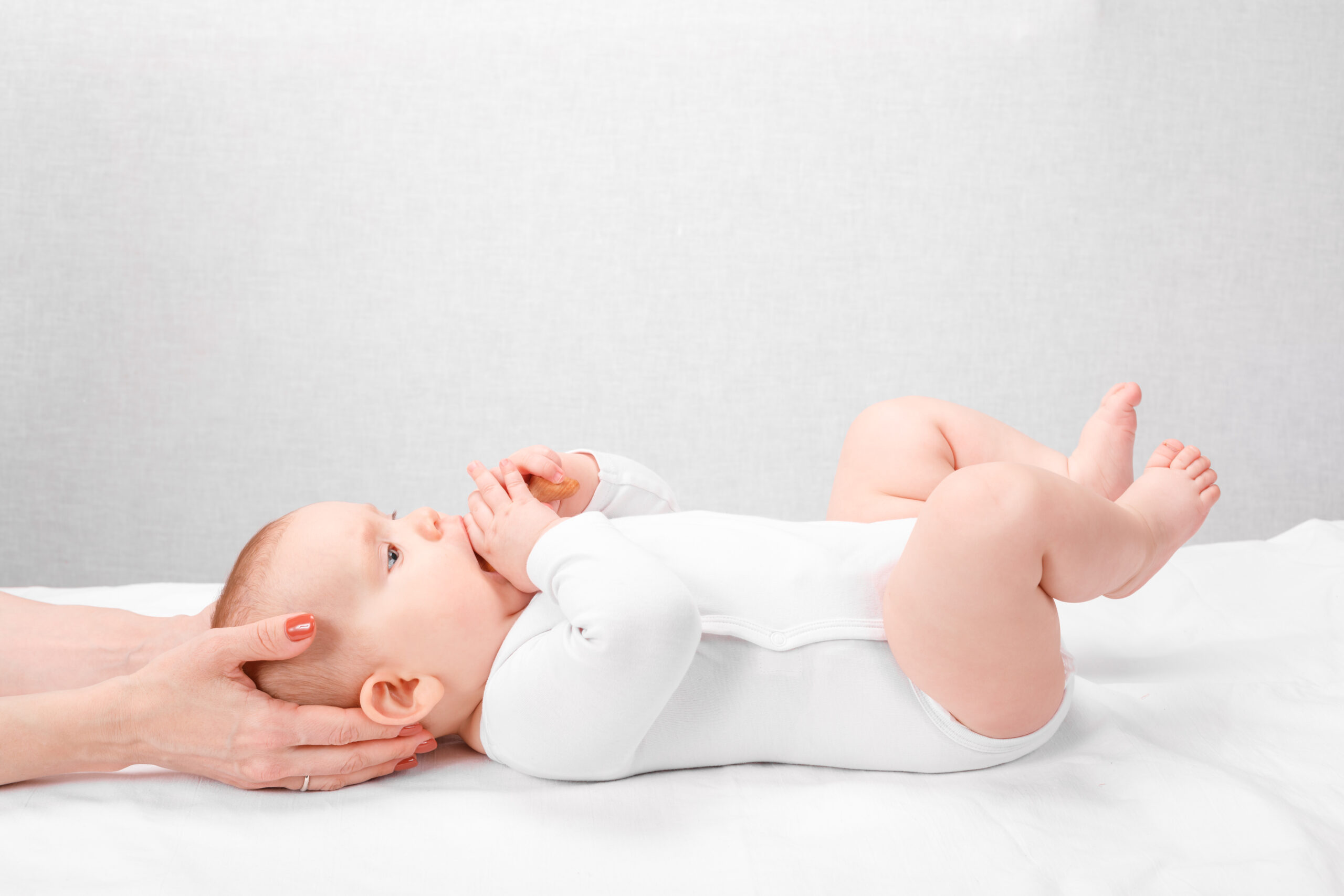
Birth is a major physical and neurological event. Even when everything goes “well,” a baby’s body may experience compression, strain, or stress that can quietly impact feeding, digestion, sleep, movement, and regulation.
Integrative pediatric bodywork blends the structural release of MFR with the nervous-system calming effects of Craniosacral Therapy to help the body reset, organize, and thrive.
Conditions We Commonly Support
Body asymmetries
Birth-related strains or injuries
Colic, reflux, and digestive discomfort
Constipation
Torticollis and plagiocephaly
Latching, feeding, lip tie & tongue tie challenges
Jaw clicking or tension
Movement and postural dysfunctions
Neurological stress or dysregulation
Post-surgical restrictions
Sensory and regulatory challenges
…and many more.
What Is Fascia and Why It Matters So Much for Babies?
Fascia is the body’s primary connective tissue system. It supports, protects, and connects everything.
In babies, fascia:
- Wraps muscles down to the smallest fibers
- Envelops bones, organs, nerves, blood vessels, and the brain
- Fills the spaces between cells
- Acts as a communication network between body systems
Fascia is one continuous structure. When it becomes restricted—even in one small area—it can create tension, asymmetry, or dysfunction elsewhere in the body.
Myofascial Release gently melts these restrictions, restoring mobility, balance, and comfort so your baby’s body can return to its natural developmental trajectory.

The Added Power of Craniosacral Therapy

While MFR addresses the body’s connective tissue, Craniosacral Therapy (CST) works directly with the central nervous system—the brain, spinal cord, and the fluid that surrounds them.
CST is exceptionally gentle and deeply regulating. For babies and children, it can help:
- Calm an overactive or stressed nervous system
- Improve sleep and state regulation
- Support feeding and digestion
- Reduce tension patterns related to birth or medical procedures
- Improve sensory processing and emotional regulation
- Enhance the body’s self-healing capacity
When MFR and Craniosacral Therapy are combined, we are supporting both structure and neurology, which is where true, lasting change happens.
FAQ’s
Why Might a Baby Have Fascial or Craniosacral Restrictions?
Restrictions can occur due to:
- Long or difficult labor
- Forceps or vacuum-assisted delivery
- Cesarean birth
- In-utero positioning
- Early medical interventions or surgeries
- Physical or neurological stress
Because the fascial and craniosacral systems are fully interconnected, tension in one area can affect feeding, digestion, movement, and regulation elsewhere.
What Happens During a Session?
Each session begins with a thoughtful discussion of your baby’s history and your goals.
- Treatment is hands-on, extremely gentle, and never forced
- Babies are typically in just a diaper for skin-to-skin work
- You are encouraged to stay close, comfort, and observe
- Techniques are held slowly—often several minutes—to allow the body to respond
- Sessions are guided by your baby’s cues, not protocols
Some babies are calm and curious; others move or fuss. All responses are welcome and informative.
Both MFR and Craniosacral Therapy are deeply calming to the nervous system—especially beneficial for babies who remain in a fight-or-flight state after birth or medical experiences.
What Changes Might We See?
As restrictions release, we may observe:
- Improved feeding or latch
- Increased range of motion
- Better symmetry and posture
- More comfortable digestion
- Improved sleep and regulation
- Easier, more fluid movement
Changes may occur immediately or unfold over a few days as the nervous system integrates.
How Many Sessions Will My Baby Need?
Babies often respond more quickly than adults because:
- They have fewer long-standing restrictions
- Their nervous systems are highly adaptable
- They communicate discomfort clearly and honestly
There is no predetermined number of sessions. Some babies show meaningful changes within a few visits; others benefit from continued support.
Every baby is treated as an individual. Two babies with the same diagnosis may have very different underlying patterns—and we listen carefully to what your baby’s body needs.
AIT Philosophy of Integrative Pediatric Bodywork
We believe the body is designed to heal, grow, and function optimally.
Our role is not to “fix” your baby—but to remove the barriers preventing their system from doing what it already knows how to do.
If you’re looking for gentle, expert-led care that honors your baby’s whole body and nervous system, integrative pediatric bodywork can be a powerful place to begin.